NobleQuest
Narrative Agency

Your choices reshape the world.

Everything else follows.

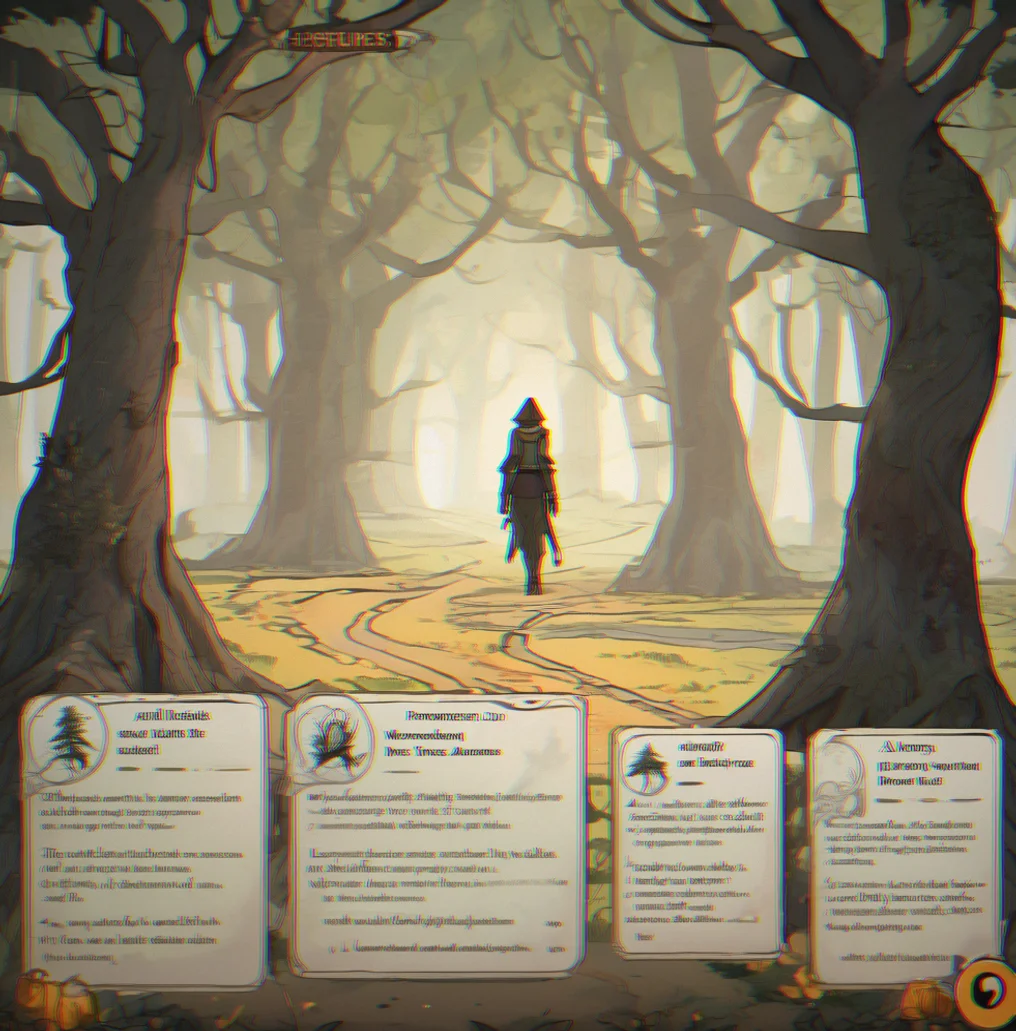
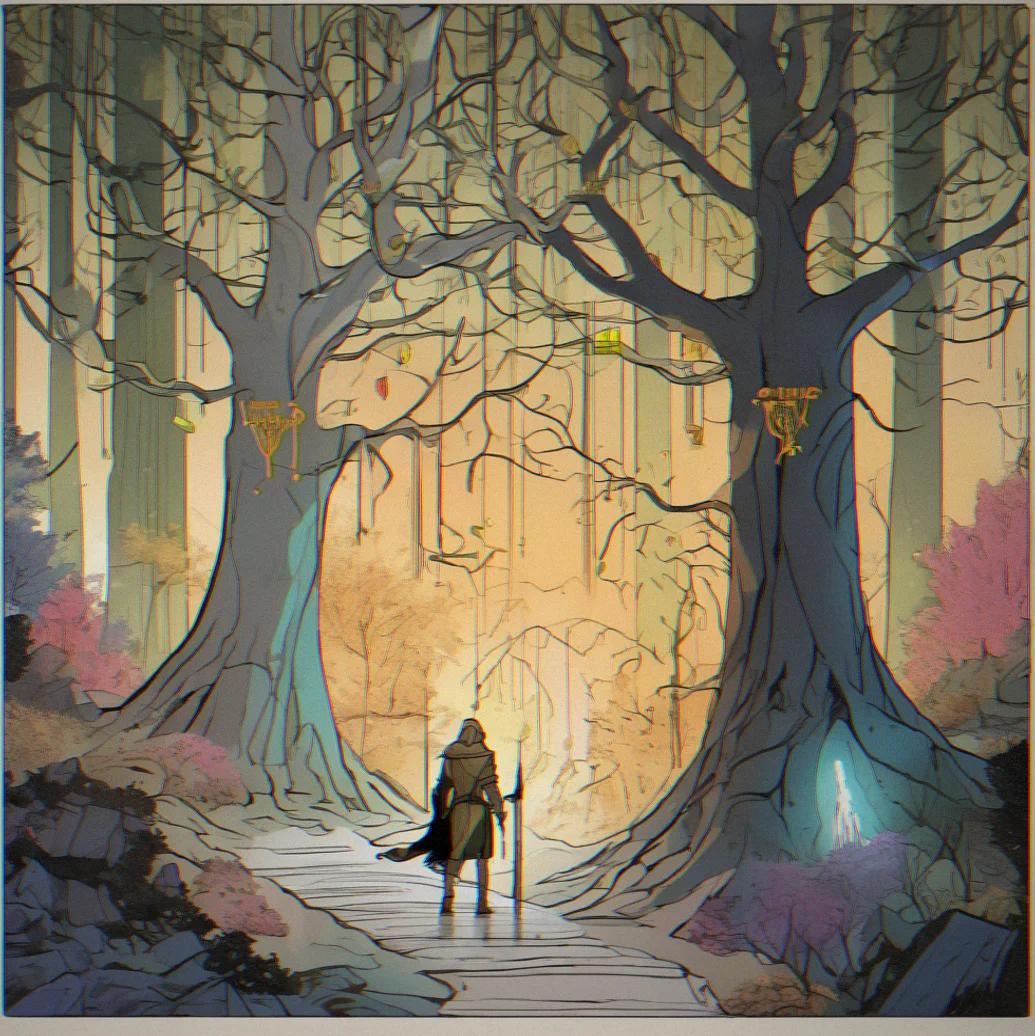
A character standing at a narrative crossroads with multiple shadowy paths diverging ahead, each glowing with distinct colored light representing different quest outcomes

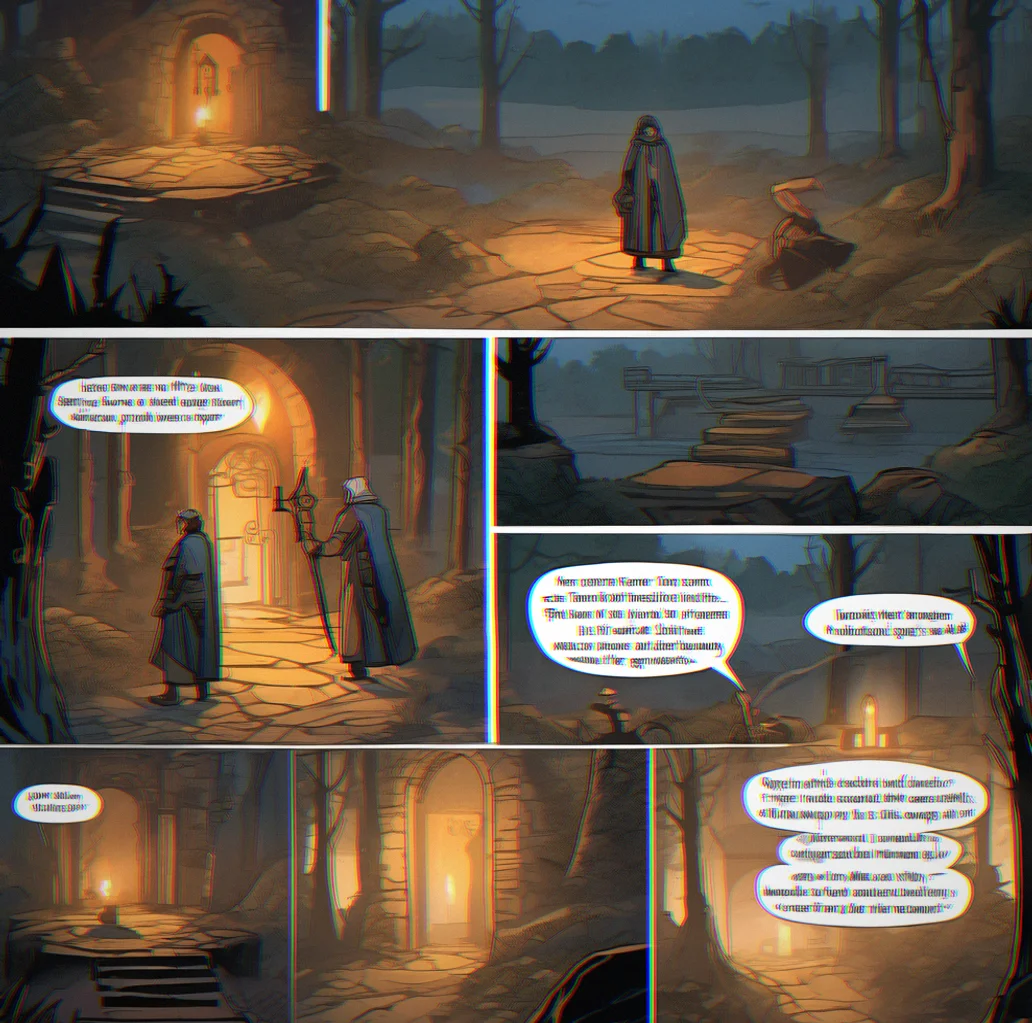
What makes a decision feel real instead of scripted? Consequences that actually stick around. In NobleQuest, you're navigating branching quests that genuinely end different ways. Your relationships with characters shift through affinity and rivalry systems—they remember what you did, they change how they talk to you, and they open up hidden paths you wouldn't find otherwise. Your skill progression branches too, shaped by how you solved problems rather than just which ones you tackled. There's this weird gap between Choose Your Own Adventure books, D&D platforms, and story-heavy games like Baldur's Gate 3. This is what goes there. Pick a backstory during character creation and you unlock quest lines that other players will never see. An alliance you made three hours ago shuts down one merchant's shop and swings open a rival faction's doors instead. You're not watching a story branch unfold. You're writing it.

How NobleQuest Works

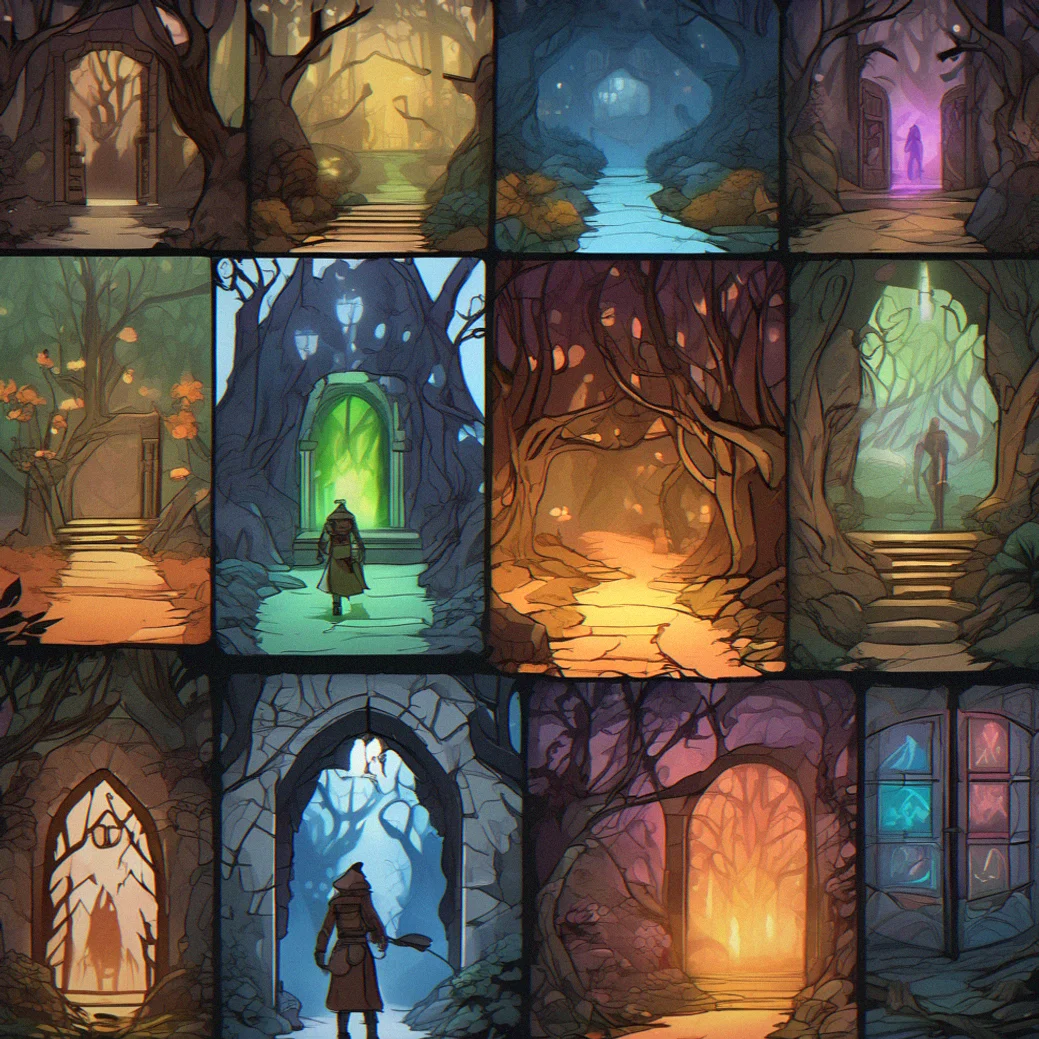
Four glowing doorways branching from a central quest marker, each labeled with different outcomes

Quest Branching with Real Endings

One quest doesn't push you toward a single ending. You can save the merchant or rob them. Interrogate the witness or let them go. Each choice goes somewhere different—new NPCs show up, some quests lock you out, rewards shift around. Four distinct endings per major quest means the story won't feel recycled.

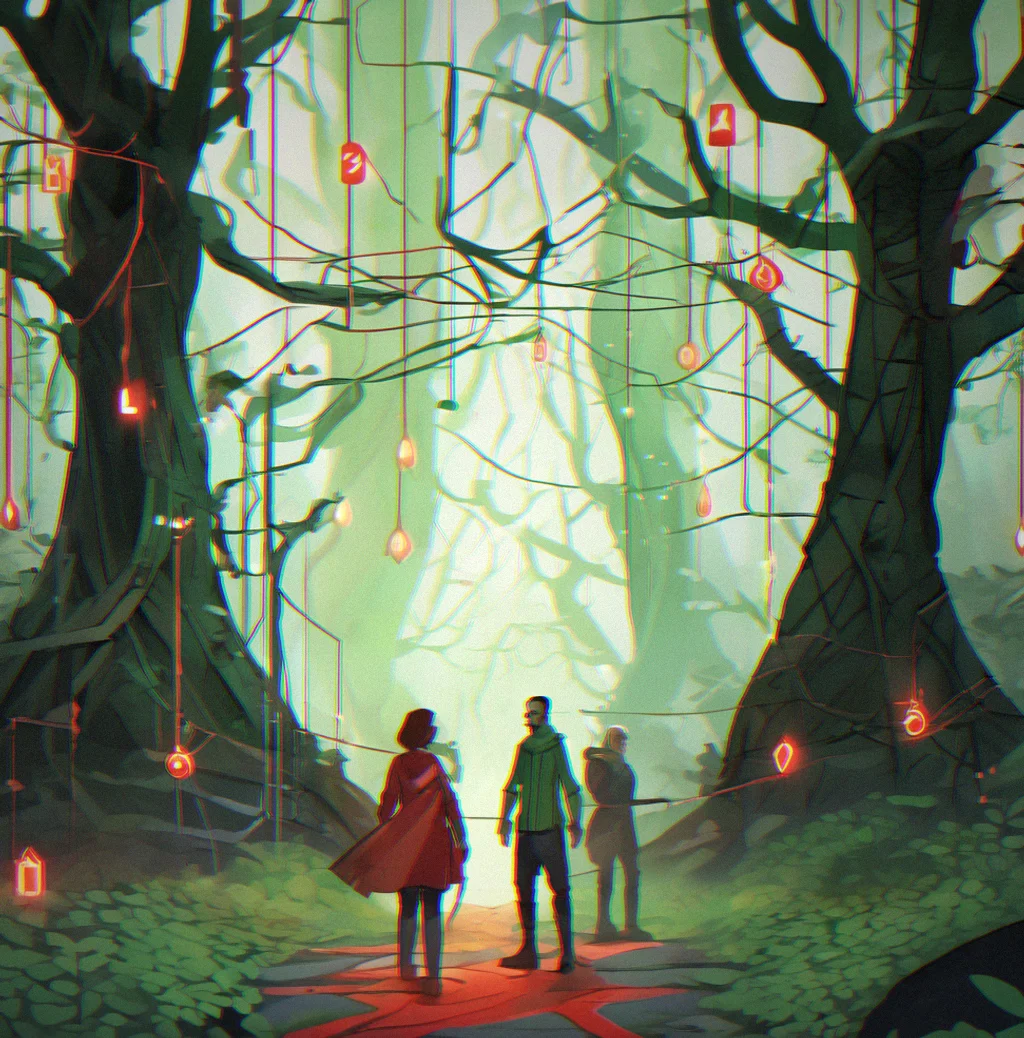
A web of character connections with green and red threads showing affinity bonds and rivalries

Relationship Tracking That Matters

NPCs aren't just dialogue trees. They remember what you do. Betray someone and their affinity tanks while rivalry climbs. That changes what they'll tell you, which quests they offer, whether they back you up or work against you. Relationships pile up too—the thief you freed earlier vouches for you in a heist, unlocking a hidden faction path.

A character progression screen showing multiple branching skill trees with narrative decision markers

XP Tied to Your Choices

You level from decisions, not just swinging a sword. Bluff past a guard? Full XP. Negotiate a trade deal without fighting? Same thing. Your skill trees branch based on how you solved problems—the spy who pickpockets learns different aiblities than the one who steals for syndicates.

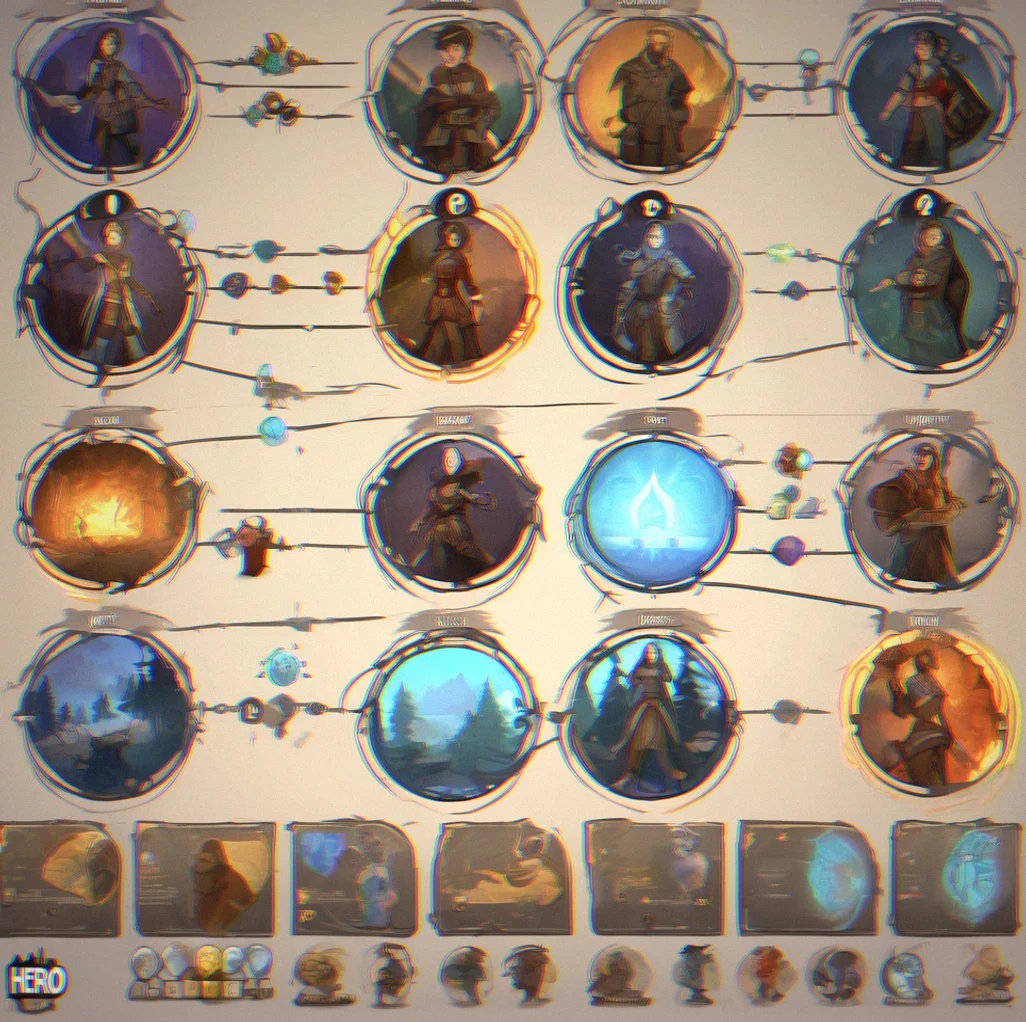
A character creation screen with twelve background options, each glowing with unique colored auras

Backgrounds Unlock Hidden Content

Choose "Former Spy" and you see dialogue options no one else gets. That hiddne quest line? Only shows up if you picked a specific background at the start. Twelve backgrounds in total. Each one opens different paths and blocks others. Your choice during character creation echoes through the whole game.

Three party members standing back-to-back with speech bubbles showing conflicting opinions about a strategy

Party Composition Creates Tension

Put a scholar and a mercenary in the same group and they'll argue about strategy mid-quest. The banter isn't just window dressing. It affects morale and opens dialogue options about what to do. Your companions don't just follow orders. They react, clash, and sometimes care about each other more than their combat stats matter.

A candlelit study with scattered journals and artifacts, each casting light on a possible character story

Exploration Rewards Story, Not Loot

You find a manuscript tucked away. It's not a stat boost. It's a chronicle that explains why an NPC acts the way they do, and that opens a quest chain with four endings and branching skill progressions. Details are everywhere—they shape what you can become if you bother to look.

STORY

Watch Your Choices Play Out

Every decision splits the story in a different direction. These scenes show what happens when you actually matter—quests that fork, relationships that change, and ripple effects that stick around.

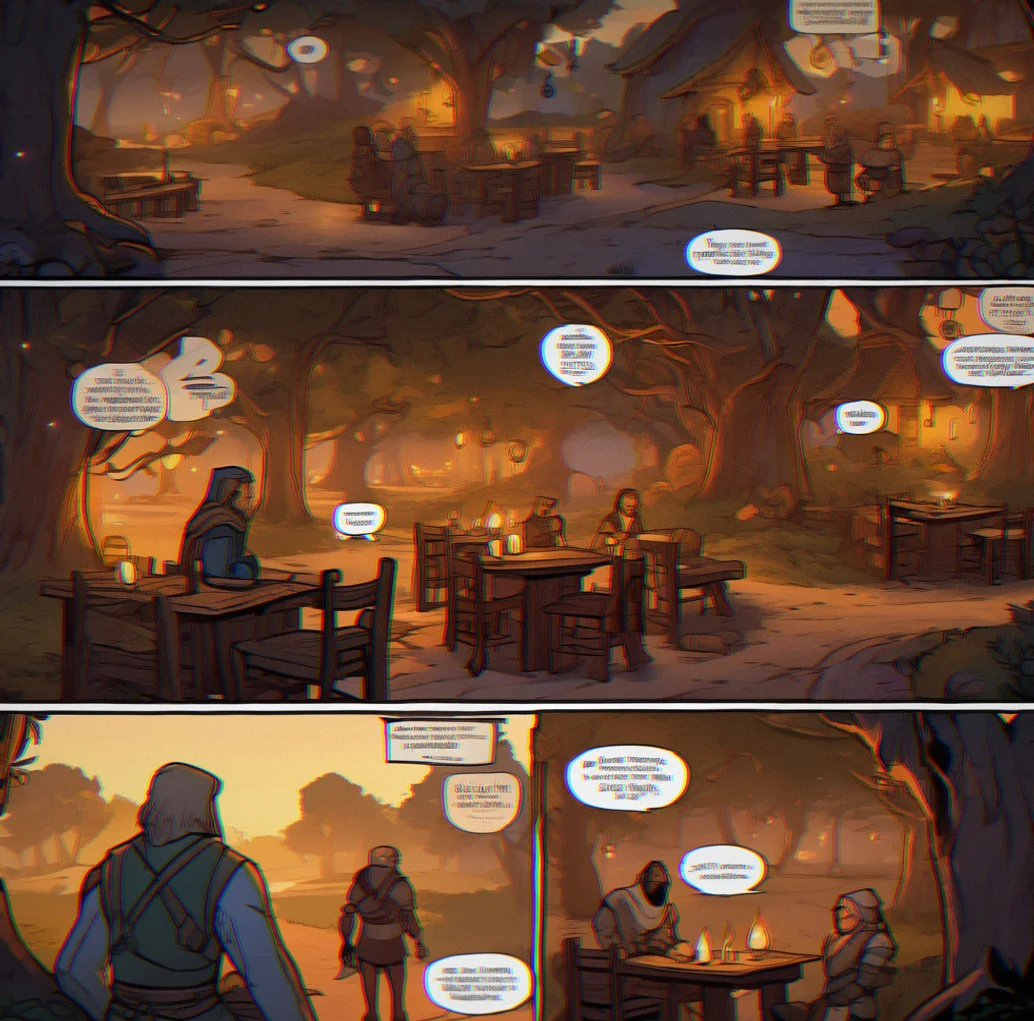
A tavern scene where three NPCs sit at separate tables, each displaying different colored dialogue bubbles indicating affinity or rivalry status with the player character

Relationships shift right in front of you. Your moves decide who's on your side and who gets in your way.

A character standing before a merchant's locked shop entrance with a quest marker labeled 'Consequences,' while a rival faction member approaches from the opposite side

Actions ripple for hours. Block one path and something else opens up but it won't be what you expected.

A skill progression screen showing four distinct branching trees labeled with narrative decision names like 'Shadow Path' and 'Authority Route,' each tree growing differently from the same root

Skills branch off your actual choices, not your class. How you handled problems matters more than what you picked at the start.

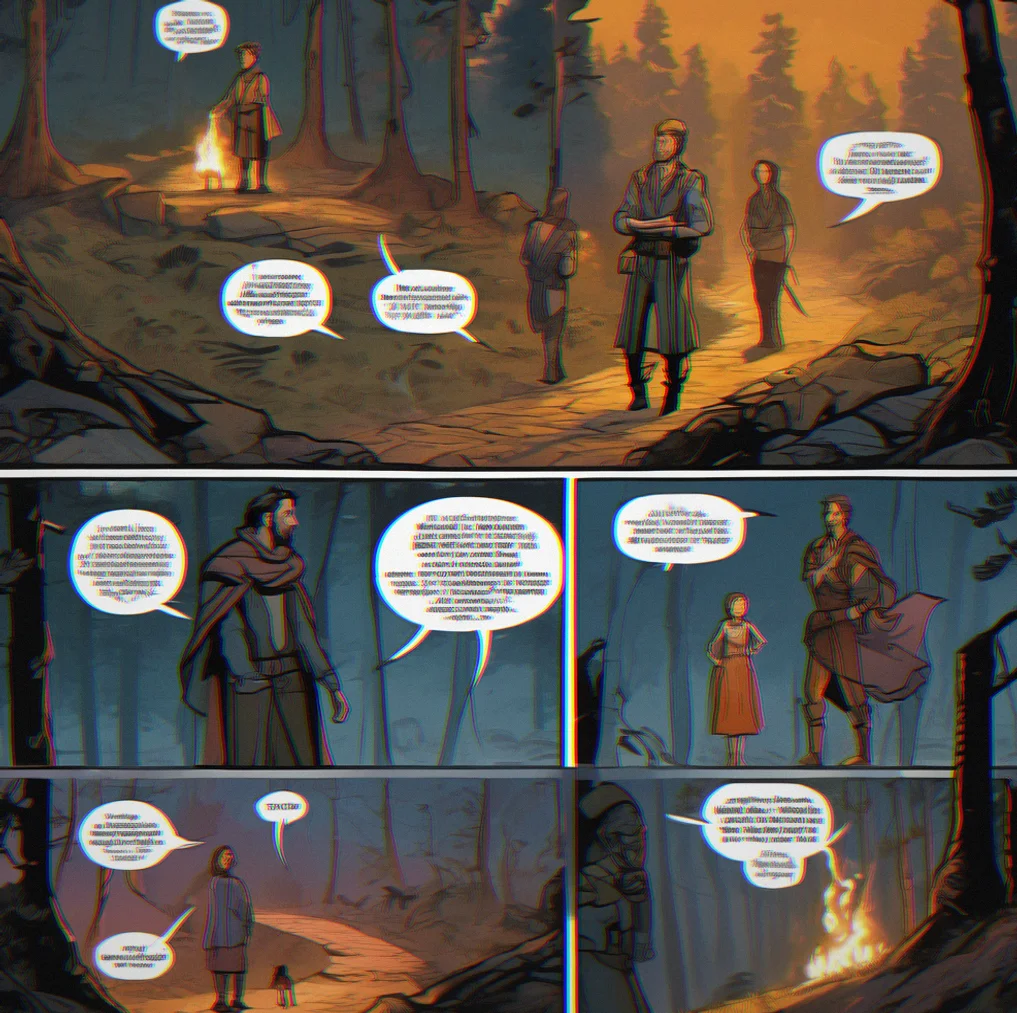
A party of four characters mid-conversation with visible conflict markers, two members arguing while the others observe with distinct reactions

Your team doesn't always get along. Conflicting companions change what you can do and what dialogue appears.

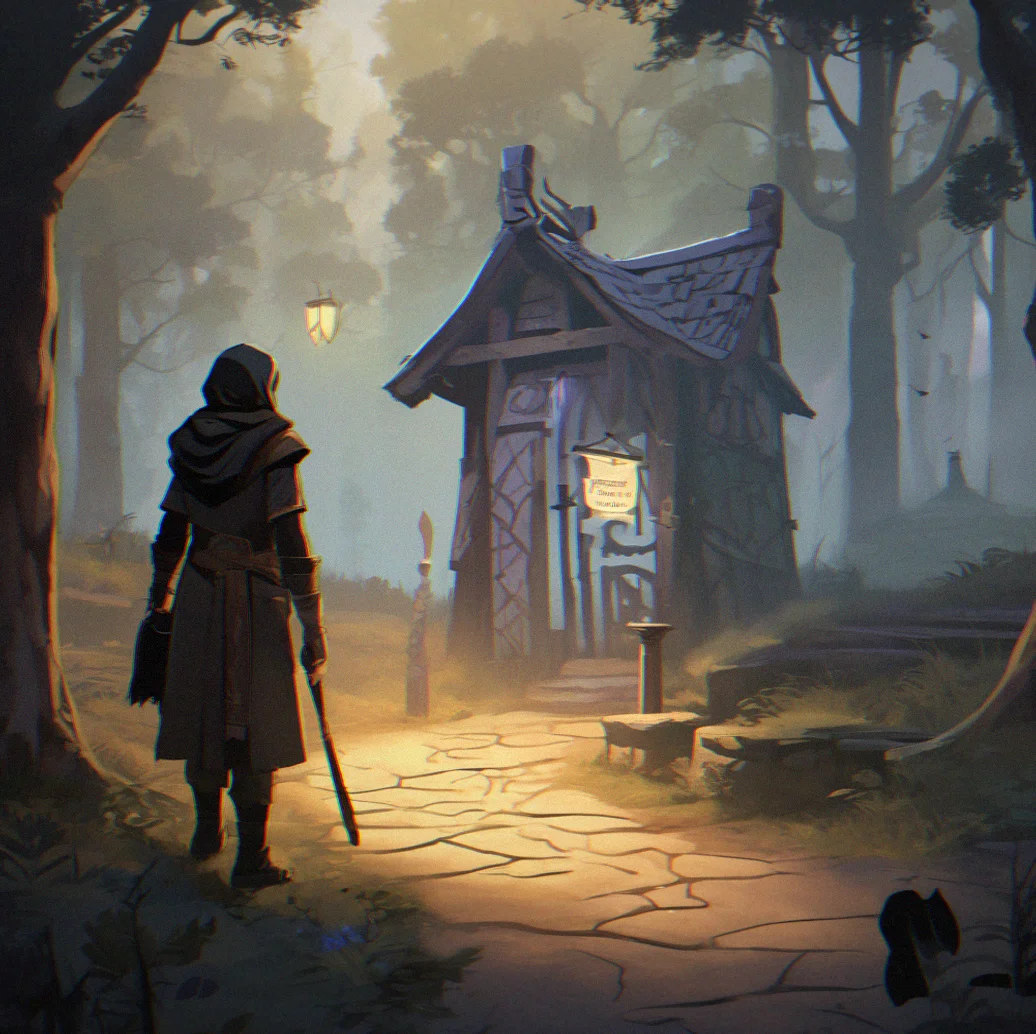
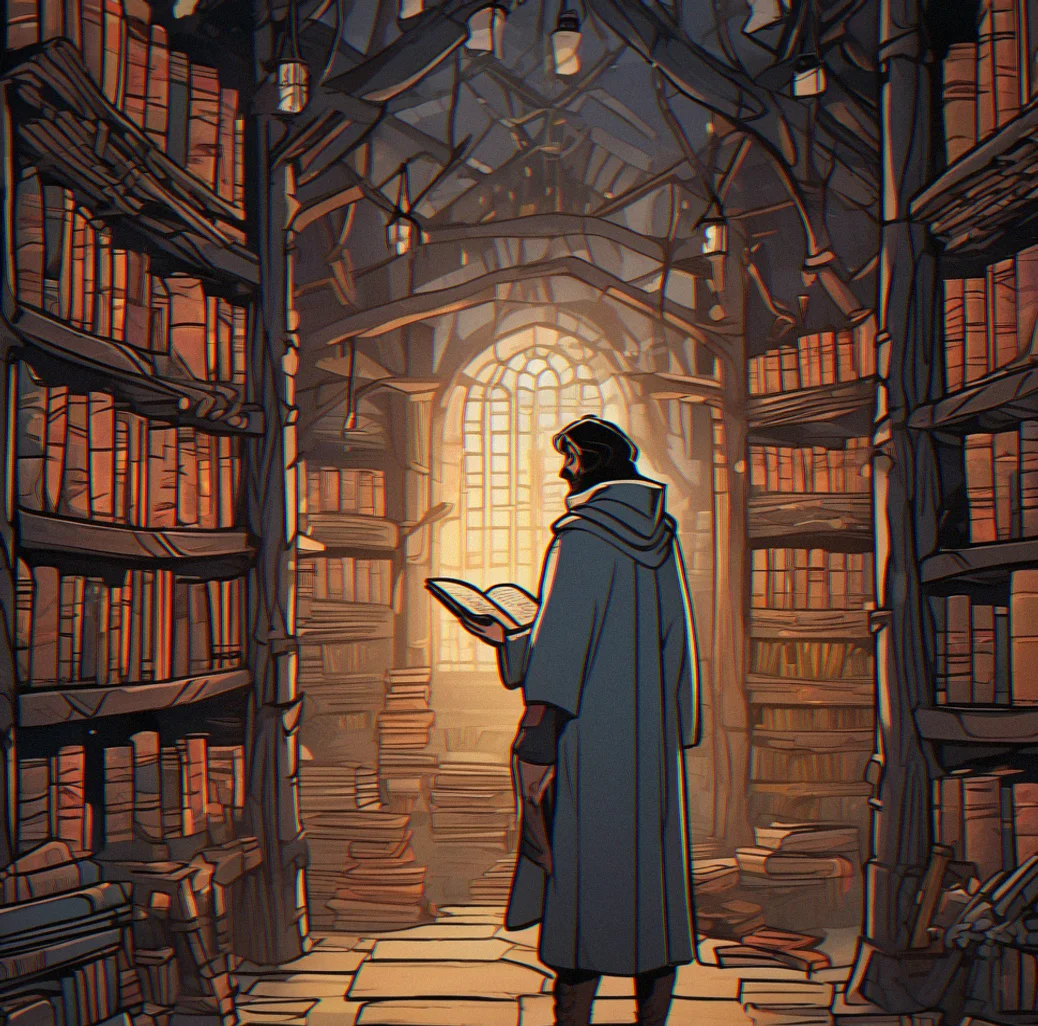
An ancient library interior with highlighted manuscripts and journals scattered across shelves, each item glowing to indicate it unlocks hidden quest lines and character backstories

Poking around unlocks real story. That old journal sitting on a shelf can trigger a quest with multiple endings. Finding treasure is almost beside the point.

Core Systems

Where Narrative Meets Mechanics

A branching diagram showing a single quest splitting into four different colored pathways, each labeled with distinct outcomes and NPC reactions

Most games treat story and progression as separate things happening at the same time. NobleQuest weaves them together. Your choices don't just change what people say—they rewrite skill trees, close off entire quest chains and change how NPCs treat you for the rest of the game. A decision you made thirty hours ago that you completely forgot about suddenly gets referenced by someone, and boom—a questline you never knew was there opens up. That's how it works. Every story choice has teeth mechanically. Every stat you gain connects to a narrative decision, not some predetermined class template.

4Distinct endings per major quest
12Character backgrounds, each unpocking unique paths
50+Hidden questlines triggered by backstory choices

Quest Outcomes Compound

Pay ransom to rescue someone and you're now owing a merchant syndicate a favor—they'll come calling later. Steal them out instead and they become a hidden ally who knows their captors inside and out. Years into the game, one of these paths circles back when you least expect it.

Relationship Arcs Mirror Campaign Arcs

NPCs hold grudges. Betray someone and that rivalry stays high, making conversations awkward, blocking quests, and messing with positioning when you're fighting together. Some bonds can heal but the damage sticks around—trust rebuilds slower than it breaks.

Skill Progression Reflects Your Method

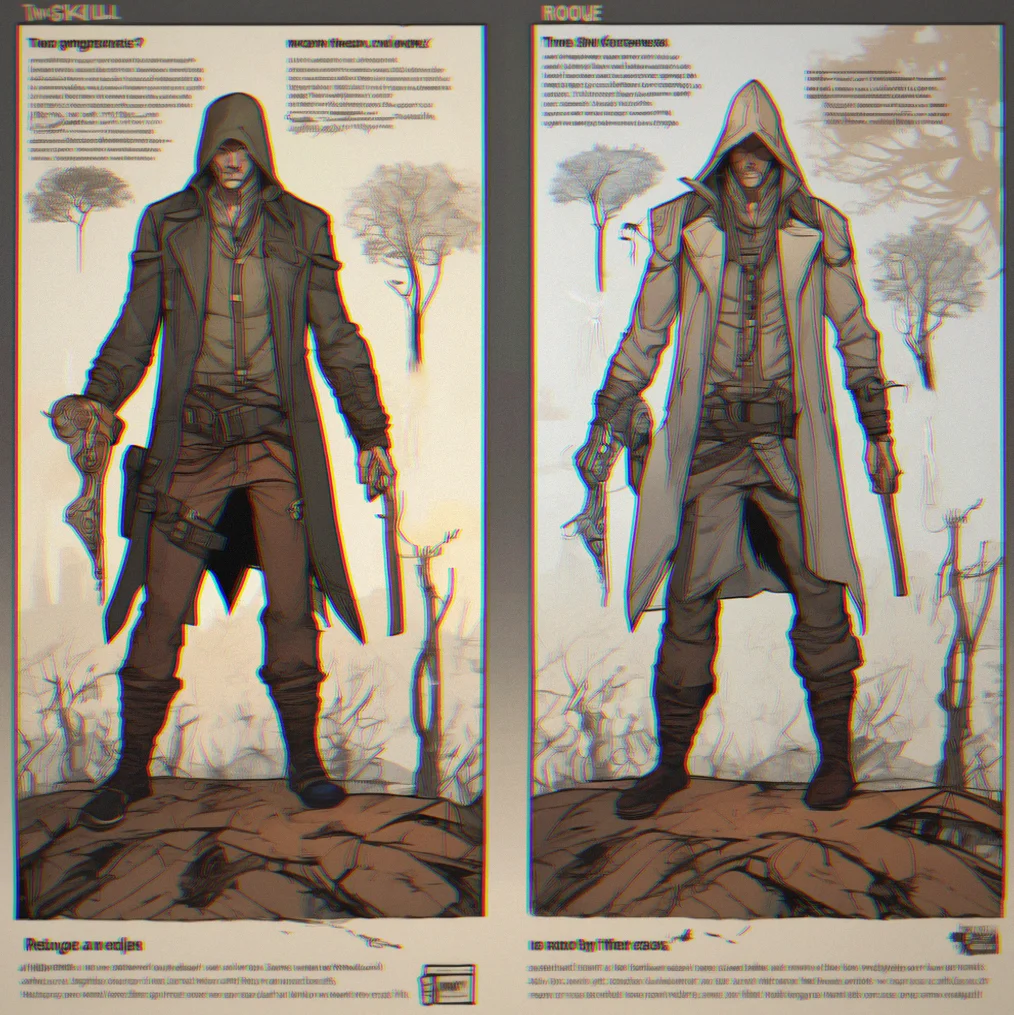
Two rogues walking different roads. One lives in markets picking pockets and learns black-market contacts and fencing. The other targets the nobility and picks up high-society infiltration and extortion techniques. Same class, completely different trees based on the kind of rogue you actually became.

Exploration Opens Hidden Mechanics

That old manuscript gathering dust in a corner isn't just window dressing. It unlocks a character's trauma, which leads to a hidden quest with multiple endings and opens up new skill trees that were blocked before.

Background Choices Lock and Unlock Content

Choose "Disgraced Scholar" at the start and academic conversations activate—you get into restricted libraries and trigger a questline only scholars can access. Pick anything else and that entire section of the game is gone. You can't undo it.

What Makes This Different

Four systems built around what you actually choose, not steering you toward some predetermined finish line.

A quest map showing four colored branches splitting from a central objective, each labeled with a different approach and resulting NPC outcome
01

Branching Quests That Actually Branch

Most quests let you pick from four real endings tied to how you solve them, not just surface flavor. Rescue someone through talking it out, sneaking past guards, or cutting a deal with the wrong person—each one opens up different NPCs, different rewards, different factions that'll work with you later. Once you pick, that's your story. [No reloading to try the other way. That's the whole idea.]

A character relationship panel showing three NPCs with affinity meters in different states—one green and ascending, one red and locked, one neutral with a question mark
02

NPCs Who Remember What You Did

Characters keep track of whether you helped them, screwed them over, or stayed neutral. Betray someone and they don't forget—their dialogue shifts, they won't back you up in a fight, or maybe they'll help you anyway if you've got leverage. Who you can recruit, who'll give you a job, who becomes essential when things go wrong—it all depends on the mess of relationships you've built up.

A dual skill tree display showing two rogues with completely different progression paths—one specialized in shadow contacts, the other in high-society infiltration
03

You Level Up By Solving Things Your Way

Forget preset quest paths. You get experience from actually solving problems however you want. Talk your way past a bouncer, bluff using something you learned three quests ago, find a back route nobody else found—all of it counts. Your abilities grow based on what you've done, so two characters following the same story can end up completely different.

A character creatoin screen highlighting twelve different backgrounds, each with a glowing aura indicating unique content pathways and locked questlines
04

Your Background Unlocks Hidden Quests

The background you pick when making your character determines what questlines actually exist for you. Choose "Former Spy" and you'll see dialogue trees and entire quest chains that never appear for anyone else. Pick a different background and those are just gone. It's not flavor. It matters.

The System in Action

Real gameplay moments that show what happens when your choices actually matter. No scripted scenes here—just the fallout from decisions you made hours or days ago.

A quest completion screen with four outcome boxes: 'Betrayed the Merchant,' 'Paid the Ransom,' 'Negotiated a Deal,' 'Discovered a Secret.' Each one shows different NPC reactions and what you actually get for it.

A quest completion screen with four outcome boxes: 'Betrayed the Merchant,' 'Paid the Ransom,' 'Negotiated a Deal,' 'Discovered a Secret.' Each one shows different NPC reactions and what you actually get for it.

An NPC dialogue screen where something's changed. That character who used to be friendly is now cold. New dialogue options have opened up because of how you handled things in a previous quest.

An NPC dialogue screen where something's changed. That character who used to be friendly is now cold. New dialogue options have opened up because of how you handled things in a previous quest.

A skill tree showing three different paths for the same class. Each path is labeled with the story choice that unlocked it, so you can see which decisions actually shaped how your character grows.

A skill tree showing three different paths for the same class. Each path is labeled with the story choice that unlocked it, so you can see which decisions actually shaped how your character grows.

Party inventory with gear and quest items tagged to character backstories. Your origin locked you into specific equipment and questlines that other characters can't access.

Party inventory with gear and quest items tagged to character backstories. Your origin locked you into specific equipment and questlines that other characters can't access.

AGENCY

Built for Player Agency

Four pillars that let your choices actually stick and stories branch in ways that feel real.

A branching tree diagram showing one quest splitting into four colored endpoints, each labeled with a different resolution and its cascading consequences

Multiple Quest Endings

Every major quest splits into four different outcomes. You can negotiate and save someone, sneak them out, hand them over to enemies, or realize they set the whole thing up themselves. Each path brings in new NPCs, locks others out, and changes how people see you for the rest of the game.

A character relationship network showing nodes connected by green bonds and red tension lines, with numerical affinity and rivalry scores displayed alongside NPC portraits

Relationship Systems That Evolve

NPCs keep track of affinity and rivalry separately. Screw someone over early and they'll stay cold toward you for dozens of hours. Build an actual alliance and they start referencing what you've done together, offering personal quests, trusting you in ways they won't trust others. These things stack up. They actually matter.

Two skill progression panels side by side, each showing a different rogue specialization tree with abilities labeled by narrative origin—one focused on street thieving, the other on organized crime

Progression Mirrors Your Story

You're not locked into some predetermined skill tree. What you level up depends on how you actually solved things. The spy who pickpockets their way through everything learns fence networks and underworld contacts. Someone who steals for criminal organizations ends up with heist skills and crime rank abilities instead. Same class, different builds, different what you can do.

A character creation screen displaying twelve background options in a circular layout, each glowing with a unique color and surrounded by icons indicating unlocked questlines and skill trees

Backgrounds Unlock Hidden Paths

When you make your character, picking a background opens up entire questlines just for you. If you were a spy, you see dialogue choices and quest triggers and NPC conversations nobody else does. Pick Merchant's Ward and those disappear completely. There's no way to undo it. That single choice ripples through your whole playthrough.

Common Questions

FAQ

Most of what you need to know about how NobleQuest works, what happens when you reload a save, and whether your choices actually stick.

Yeah, technically. But here's the thing—once you lock in a quest outcome, that path closes. Relationship shifts, quest rewards, how NPCs treat you going forward, all permanent. You can reload, sure, but you're replaying everything up to that decisiion point again. Most people give up on this strategy somewhere around quest three.

They change how the game works. Each ending branches you into different NPC availability, faction standing, and skill teres that open up later. Pick one path in Quest 5 and you might lose access to an entire questline by quest 30. Or unlock something you couldn't have reached otherwise. It all stacks on top of each other.

Yeah. [There's no respawn mechanism for backgrounds.] Go with "Disgraced Scholar" and you get scholar-only quests and dialogue branches. Pick anything else and those don't exist for that run. Permanent. That's the cost of making choices feel real.

Somewhere between sixty and eighty hours, depending on how much time you spend poking around and which branches your character unlocks. Some hidden questlines add another twenty if you find them. No playthrough ends at the same place because the branches diverge.

Possibly. Affinity climbs back up slower than it fell, and some characters won't fully come around. The rivalry flag stays higher than it was before. But yeah—trust can be rebuilt through action. That's not the same as having no consequence. The damage lingers.